
Travel Destinations: Trends, Safety, and Future of Global Tourism
Travel destinations continue to evolve, and travelers now seek experiences that are meaningful, safe, and flexible. Over the past few years, global tourism has faced major disruptions; however, it is now steadily recovering. In fact, international travel increased by about 4% in 2025, reaching roughly 1.52 billion trips worldwide, which shows strong demand despite challenges.
Moreover, as people adapt to new travel realities, they are choosing destinations that offer both safety and unique cultural experiences. Therefore, understanding modern travel trends, restrictions, and innovations is essential for planning a successful journey.

The Evolution of Travel Destinations
From Traditional Tourism to Experience-Based Travel
In the past, travelers mainly focused on famous landmarks; however, today, they prefer immersive experiences. For example, instead of only visiting cities, many travelers now explore rural areas, local traditions, and eco-friendly destinations.
Additionally, travelers are more conscious about sustainability, and they often choose destinations that protect nature and support local communities.
Rise of Sustainable Tourism
Sustainable tourism has become a key trend, and many destinations now promote eco-friendly practices. As a result, travelers are encouraged to reduce waste, conserve energy, and respect local cultures.
Furthermore, governments and organizations are working together to create policies that balance tourism growth with environmental protection.
Emerging Travel Destinations 2026
Hidden Gems Gaining Popularity
Although famous destinations remain attractive, emerging locations are gaining attention due to their uniqueness and affordability. For instance:
- Southeast Asia’s lesser-known islands
- Eastern European towns
- Remote African safari regions
These destinations offer fewer crowds and more authentic experiences, which makes them ideal for modern travelers.
Shift Toward Less Crowded Locations
Because overtourism has become a concern, travelers now prefer quieter places. Consequently, smaller cities and rural destinations are becoming more popular Travel Destinations
At the same time, many governments are encouraging tourism in less crowded areas to reduce pressure on major cities.
Recent Travel Restrictions and Reopening Updates
Changing Global Travel Rules
Travel rules continue to evolve, especially in regions like Europe. For example, new border systems such as the Entry/Exit System (EES) require biometric data for travelers, which aims to improve security and streamline border checks.
Additionally, the upcoming ETIAS system will require visa-exempt travelers to obtain online authorization before entering certain countries.
Impact of Geopolitical Conflicts
Global conflicts also affect travel patterns. For instance, tensions and conflicts in certain regions can lead to reduced travel demand and flight disruptions. In some cases, tourism recovery may take several months after flights resume.
Similarly, diplomatic issues between countries can significantly reduce tourist numbers, as seen in recent international disputes.
Rising Costs and Regulations
Travel costs are increasing due to new taxes, regulations, and inflation. Many destinations now charge tourist taxes, and some cities have introduced restrictions on short-term rentals.
Therefore, travelers should plan budgets carefully and stay informed about new rules before traveling.
Travel Technology Innovations Transforming Tourism
Digital Travel Documents and Smart Borders
Technology is transforming travel processes. For example, digital travel permits and biometric systems are replacing traditional passport checks. As a result, border crossings are becoming more efficient and secure.
Artificial Intelligence in Travel Planning
AI tools are helping travelers plan trips more effectively. These tools can suggest destinations, optimize itineraries, and provide real-time Travel Destinations updates.
Moreover, AI-powered chatbots and virtual assistants improve customer service by offering instant support.
Contactless Travel Experiences
Contactless technology has become essential for safety. From mobile check-ins to digital payments, travelers can now reduce physical contact during their journey.
Consequently, airports, hotels, and transportation services are adopting these technologies to enhance convenience and safety.
Tips for Safe and Enjoyable Travel Post-Pandemic and War
Health and Safety Precautions
Travelers should prioritize health and safety by:
- Carrying necessary health documents
- Following local guidelines
- Maintaining hygiene practices
Although restrictions have eased, health awareness remains important due to potential risks.
Stay Updated on Travel Advisories
Before traveling, it is essential to check official Travel Destinations. Because rules can change quickly, staying informed helps avoid unexpected issues.
Flexible Travel Planning
Flexibility is key in modern travel. Therefore, travelers should:
- Book refundable tickets
- Choose flexible accommodations
- Plan alternative routes
This approach ensures a smoother experience even if plans change.
Respect Local Cultures and Regulations
Travelers should respect local customs and laws. Many destinations now enforce stricter rules to manage tourism and protect communities.
As a result, responsible behavior not only ensures safety but also enhances the Travel experience.
The Role of Sustainability in Travel
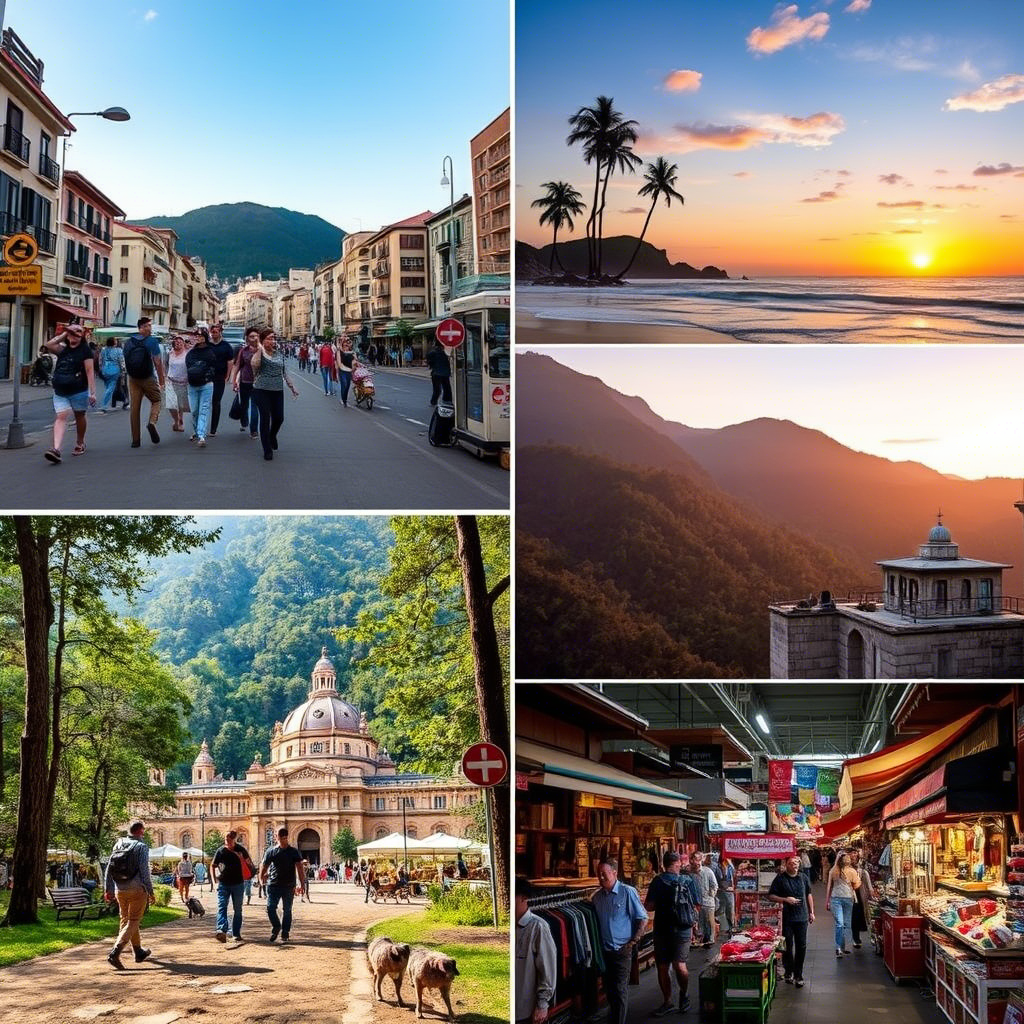
Eco-Friendly Travel Choices
Travelers are increasingly choosing eco-friendly options, such as:
- Using public transportation
- Staying in green-certified hotels
- Supporting local businesses
These choices help reduce environmental impact.
Community-Based Tourism
Community-based tourism allows travelers to engage with local cultures while supporting local economies.
Therefore, this approach benefits both travelers and host communities.
Challenges Facing the Travel Industry
Economic and Political Uncertainty
Economic instability and political tensions continue to affect tourism. For example, policy changes and international relations can influence travel demand and visitor numbers.
Climate Change and Environmental Concerns
Climate change is another major challenge. Extreme weather events and environmental degradation can impact travel destinations and infrastructure.
Changing Traveler Expectations
Modern travelers expect personalized, safe, and sustainable experiences. As a result, the travel industry must adapt to meet these evolving demands.
Future Predictions for the Travel Industry
Continued Growth in Global Tourism
Despite challenges, global tourism is expected to grow steadily. Increasing demand, technological advancements, and improved infrastructure will drive this growth.
Expansion of Smart Tourism
Smart tourism, which uses technology to enhance Travel Destinations, will become more common. For example, smart cities will offer integrated services that improve convenience for travelers.
Greater Focus on Sustainability
Sustainability will remain a top priority. Governments and businesses will invest more in eco-friendly initiatives to protect destinations.
Rise of Personalized Travel Experiences
Personalization will play a significant role in the future of travel. Travelers will receive tailored recommendations based on their preferences, making trips more enjoyable.
Conclusion
Traveling in today’s world requires careful planning and awareness. Therefore, travelers should stay informed, remain flexible, and prioritize safety.
At the same time, exploring new destinations and embracing different cultures can create meaningful experiences. By choosing sustainable options and respecting local communities, travelers can contribute positively to the global tourism industry.
While challenges remain, the future of travel looks promising. With the right approach, travelers can enjoy safe, enriching, and unforgettable journeys across the world.
About The Author
