
Bold Iran News About Israel Iran Political Crisis
The political relationship between Iran and Israel remains one of the most discussed topics in international affairs. Because both countries hold significant influence in the Middle East, every major political statement, diplomatic move, or security development attracts worldwide attention. Therefore, readers across the globe closely follow Iran News to understand the latest developments surrounding the Israel-Iran political crisis.
Understanding the Israel-Iran Political Crisis
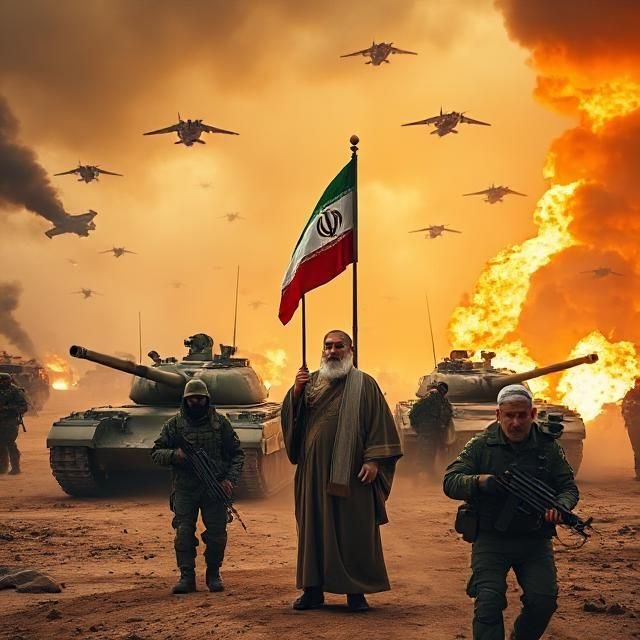
The Israel-Iran political crisis is not a recent development. Instead, it has evolved over several decades through political disagreements, strategic competition, and conflicting regional goals.
Moreover, both countries view regional security through different perspectives. Therefore, disagreements often emerge regarding political influence, security arrangements, and diplomatic priorities.
Additionally, events occurring in neighboring countries frequently affect the relationship. As a result, regional developments often contribute to broader tensions between the two sides.
Because of these factors, the political crisis remains one of the most significant issues covered in Iran News reporting.
Historical Background of Iran-Israel Relations
To understand the current political crisis, it is important to examine historical developments.
Relations Before 1979
Before the Iranian Revolution of 1979, Iran and Israel maintained working diplomatic and economic relationships.
Furthermore, cooperation existed in several areas. Therefore, relations during that period differed significantly from current conditions.
Changes After the Revolution
Following the establishment of the Islamic Republic, Iran adopted a different foreign policy approach.
As a result, political relations with Israel changed dramatically. Consequently, tensions increased and diplomatic engagement declined.
Long-Term Political Differences
Over time, disagreements regarding regional policies and strategic interests became more pronounced.
Therefore, political competition gradually became a central feature of the relationship.
Because history continues influencing current events, it remains a major topic within Iran News discussions.
Major Causes of the Political Crisis
Several factors contribute to the ongoing political tensions between Iran and Israel.
Regional Influence
Both countries seek to maintain and strengthen their influence within the Middle East.
Therefore, competition often emerges regarding regional political developments.
Moreover, changing alliances sometimes affect how each country approaches strategic decisions.
Security Concerns
National security remains a major priority for both governments.
Consequently, political leaders frequently discuss defense and security matters.
Furthermore, security concerns often influence foreign policy decisions.
Diplomatic Disagreements
Differences regarding regional issues have contributed to ongoing tensions.
As a result, diplomatic relations remain limited and complicated.
These factors frequently appear in trusted Iran News coverage.
The Role of Politics in Regional Stability
Political decisions often have consequences beyond national borders.
Policy Development
Governments create policies based on national interests.
Therefore, political strategies frequently influence regional relationships.
International Engagement
Diplomatic interactions help shape regional dynamics.
Consequently, foreign policy decisions may affect neighboring countries.
Long-Term Strategic Planning
Political leaders often focus on long-term goals.
As a result, strategic planning becomes a key element of regional politics.
Because political decisions influence broader developments, Iran News often examines leadership strategies and policy choices.
How Regional Alliances Affect the Crisis
Regional partnerships play a major role in Middle Eastern politics.
Strategic Relationships
Countries develop alliances based on common interests.
Therefore, partnerships often influence political decisions.
Diplomatic Cooperation
Cooperation between governments can strengthen regional influence.
Consequently, alliances frequently affect negotiations and policy discussions.
Changing Regional Dynamics
Political relationships sometimes evolve over time.
As a result, regional alliances remain an important factor in the Israel-Iran political crisis.
Security Issues and Political Tensions
Political disagreements often overlap with security concerns.
Defense Planning
Governments invest in security measures to protect national interests.
Therefore, defense policies remain closely connected to political strategies.
Military Readiness
Preparedness plays an important role in national security planning.
Consequently, military developments often receive international attention.
Strategic Deterrence
Deterrence aims to reduce potential threats.
As a result, defense capabilities influence regional security discussions.
Trusted Iran News frequently analyzes the relationship between politics and security.
Diplomatic Efforts to Reduce Tensions
Although disagreements continue, diplomacy remains an important tool.
Dialogue and Communication
Open communication can reduce misunderstandings.
Therefore, diplomatic engagement remains valuable during difficult periods.
International Mediation
Neutral countries and organizations often encourage dialogue.
Consequently, mediation efforts can support peaceful solutions.
Confidence Building
Trust-building measures help reduce uncertainty.
As a result, diplomacy can contribute to long-term stability.
Because peaceful engagement remains important, Iran News often highlights diplomatic developments.
The Impact on Middle East Politics
The Israel-Iran political crisis affects the broader region in multiple ways.
Regional Decision-Making
Governments often consider the crisis when shaping policies.
Therefore, regional politics can be influenced by developments between the two countries.
Diplomatic Relationships
Political tensions sometimes affect international partnerships.
Consequently, diplomatic calculations become more complex.
Strategic Planning
Regional actors frequently adjust strategies based on changing conditions.
As a result, the crisis remains a major factor in Middle Eastern affairs.
Economic Effects of Political Tensions
Political uncertainty can influence economic conditions.
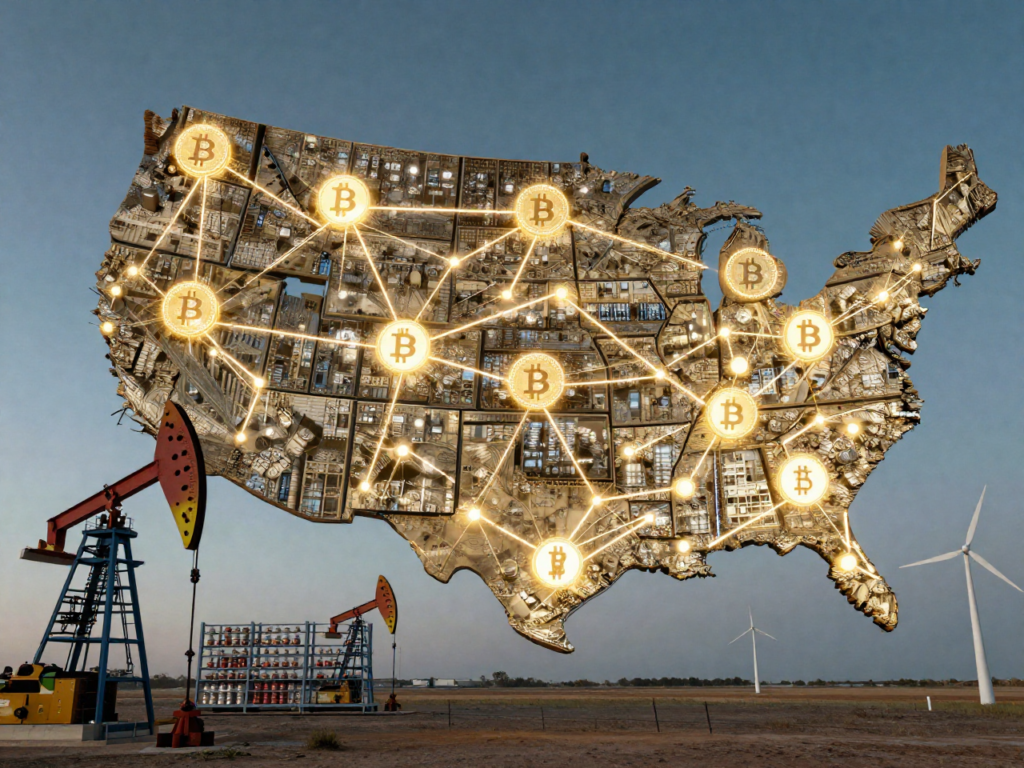
Market Reactions
Investors often respond to geopolitical developments.
Therefore, political tensions may affect market confidence.
Trade Considerations
Regional stability supports stronger economic activity.
Consequently, uncertainty can create challenges for businesses.
Energy Markets
The Middle East remains a major energy-producing region.
As a result, political developments often influence global energy discussions.
Because economics and politics are closely connected, Global Muslim News frequently examines financial implications.
Media Coverage and Public Understanding
Accurate reporting is essential during periods of political tension.
Importance of Reliable Sources
Trusted information helps readers understand complex developments.
Therefore, source credibility remains extremely important.
Avoiding Misinformation
False information can create confusion.
Consequently, readers should verify reports through established news organizations.
Understanding Context
Political issues often involve historical and strategic factors.
As a result, context improves understanding of current events.
Reliable Iran News reporting provides both facts and analysis.
International Responses to the Political Crisis
Governments around the world monitor developments closely.
Support for Stability
Many countries encourage peaceful solutions.
Therefore, diplomatic statements often emphasize dialogue.
Calls for Restraint
International leaders frequently urge caution during periods of tension.
Consequently, efforts to prevent escalation remain common.
Global Diplomatic Engagement
Major powers often participate in discussions related to regional stability.
As a result, international involvement continues shaping diplomatic efforts.
The Role of International Organizations
International institutions also contribute to regional discussions.
Promoting Dialogue
Organizations often encourage peaceful engagement.
Therefore, diplomatic channels remain active.
Supporting Stability
Efforts aimed at reducing tensions help support regional security.
Consequently, international cooperation remains important.
Facilitating Communication
Organizations can provide platforms for discussion.
As a result, communication opportunities may increase.
Because these institutions influence regional affairs, Iran News often reports on their activities.
Challenges Facing Future Diplomacy
Although diplomacy offers opportunities, several challenges remain.
Political Differences
Long-standing disagreements can be difficult to resolve.
Therefore, negotiations often require patience.
Security Concerns
National security priorities may complicate discussions.
Consequently, diplomatic progress can take time.
Regional Complexity
Multiple actors influence Middle Eastern politics.
As a result, solutions often require broad cooperation.
Possible Future Scenarios
Several outcomes could shape future developments.
Continued Political Competition
Political rivalry may remain a defining feature of the relationship.
Therefore, tensions could continue in various forms.
Expanded Diplomatic Engagement
Greater communication may improve understanding.
Consequently, opportunities for stability could increase.
Regional Cooperation Initiatives
Shared interests may encourage cooperation in certain areas.
As a result, limited progress may become possible.
Gradual Reduction of Tensions
Confidence-building measures could support better relations.
Therefore, diplomatic efforts remain important.
These possibilities frequently appear in forward-looking Iran News analysis.
Why Global Readers Follow Iran News
People worldwide continue following developments related to Iran and Israel.
First, regional politics affect international security. Second, economic markets respond to geopolitical changes. Third, diplomatic decisions influence global relationships. Finally, developments in the Middle East often have worldwide implications.
Moreover, understanding these issues helps readers evaluate broader international trends.
Consequently, trusted Iran News remains valuable for researchers, policymakers, investors, and general audiences.
The Importance of Political Stability
Political stability benefits governments, businesses, and citizens.
Economic Growth
Stable environments encourage investment and development.
Therefore, political stability supports economic progress.
Public Confidence
Citizens generally prefer predictable conditions.
Consequently, stability contributes to social well-being.
Regional Cooperation
Stable political relationships support collaboration.
As a result, cooperation opportunities become easier to pursue.
Because stability remains a key goal, Iran News often explores strategies that may reduce tensions.
Lessons From Past Political Crises
History provides valuable insights into modern challenges.
Communication Matters
Dialogue often reduces misunderstandings.
Therefore, maintaining communication channels remains essential.
Patience Is Important
Complex disputes rarely disappear quickly.
Consequently, long-term efforts are often necessary.
Cooperation Creates Opportunities
Shared interests can support progress.
As a result, cooperation may help address difficult issues.
Building a More Stable Future
Achieving long-term stability requires commitment from many stakeholders.
Strengthening Diplomacy
Governments should continue pursuing peaceful engagement.
Therefore, diplomatic initiatives remain critical.
Encouraging Regional Dialogue
Open communication supports mutual understanding.
Consequently, dialogue can reduce tensions.
Supporting Economic Development
Economic growth can contribute to stability.
As a result, development remains an important objective.
Promoting Accurate Information
Reliable reporting improves public understanding.
Therefore, trusted journalism remains essential.
Conclusion
The Israel-Iran political crisis remains one of the most important issues in Middle Eastern politics. Historical disagreements, competing strategic interests, regional alliances, and security concerns continue shaping relations between the two countries.
Moreover, the crisis affects not only Iran and Israel but also neighboring countries, global energy markets, and international diplomatic efforts. Consequently, governments and citizens worldwide closely monitor developments.
About The Author
