
Empire Crypto: Smart Bitcoin Investment Plan Strategy
Bitcoin has evolved from an experimental digital cash proposal into a premier global financial asset. However, navigating the cryptocurrency market without a clear structure often leads to emotional decision-making and preventable losses. Entering the market requires a clear framework driven by accurate market insights rather than hype.

What Is the Empire Crypto Smart Bitcoin Investment Plan?
The Empire Crypto Smart Bitcoin Investment Plan is a structured framework designed to help both beginners and experienced investors allocate capital efficiently into Bitcoin. Instead of relying on guesswork or short-term speculation, this approach uses actionable insights, risk assessment models, and market trend indicators to optimize entry and exit points.
At its core, the strategy focuses on long-term capital preservation and steady wealth accumulation. By leveraging high-quality crypto data, investors gain a clear view of market liquidity, on-chain movements, and historical price cycles.
Core Objectives of the Plan
- Risk-Adjusted Capital Allocation: Diversifying capital deployment over time to smooth out volatility.
- Data-Driven Execution: Utilizing crypto data analysis to spot accumulation zones rather than buying at market tops.
- Automated Accumulation: Implementing disciplined dollar-cost averaging (DCA) supported by structural market metrics.
- Capital Protection: Establishing clear risk boundaries and security protocols to safeguard digital holdings.
Why Reliable Crypto Data Matters for Bitcoin Investors
Navigating digital asset markets without structured analytics is like driving through fog without headlights. To make informed decisions, access to raw, unmanipulated market metrics is essential. High-value analytics turn complex raw blockchain transactions into actionable signals.
Key Metrics to Track
- On-Chain Volume: Tracks the actual movement of coins on the blockchain to measure network utility.
- Exchange Net Flows: Monitoring whether Bitcoin is moving onto exchanges (potential selling pressure) or off exchanges into private storage (accumulation).
- Realized Market Cap: Evaluates the value of the network based on the price of each coin when it last moved, removing artificial market noise.
- Miner Reserve Trends: Indicates whether network validators are holding or selling mined rewards.
Utilizing a dependable crypto data company ensures that your trading decisions rest on verified feeds rather than social media sentiment. With accurate cryptocurrency data reliability, investors can distinguish between routine price corrections and structural market shifts.
Step-by-Step Blueprint: Implementing the Empire Crypto Strategy
Building a long-term position in Bitcoin requires a systematically structured approach.
Step 1: Capital Assessment and Risk Management
Before purchasing digital assets, establish clear financial boundaries:
- Discretionary Capital: Only invest funds you do not require for immediate operational or emergency needs.
- Allocation Percentage: Determine your specific portfolio percentage for Bitcoin based on your personal risk tolerance (typically 5% to 20% for balanced portfolios).
- Time Horizon: Commit to a minimum 3 to 5-year investment horizon to allow macro market cycles to play out.
Step 2: Choosing Your Accumulation Model
Investors generally choose between two primary methods of buying Bitcoin:
Option A: Standard Dollar-Cost Averaging (DCA)
DCA involves purchasing a fixed dollar amount of Bitcoin at set intervals (e.g., $100 every Monday), regardless of current price movements. This neutralizes market volatility and removes emotional stress from execution.
Option B: Dynamic DCA (Data-Informed)
Dynamic DCA uses market indicators to adjust buy amounts. When data analytics cryptocurrency indicators signal that Bitcoin is historically undervalued, allocation amounts increase. Conversely, when metrics show overbought market conditions, allocations decrease or convert to stablecoin reserves.
Comparing Accumulation Strategies
| Feature | Standard DCA | Dynamic DCA | Lump-Sum Buying |
| Execution Complexity | Low (Set & Forget) | Medium (Data-Dependent) | High (Market Timing) |
| Emotional Stress | Very Low | Low-Medium | High |
| Optimal Market Phase | Any / All Phases | Bear Markets & Accumulation | Major Market Bottoms |
| Data Requirement | Basic | Advanced Crypto Market Data | High-Level Macro Data |
| Risk Profile | Conservative | Optimized Risk-Reward | Aggressive |
Empire Crypto Data Integration for Advanced Insights
Executing a successful plan requires robust underlying infrastructure. Premium cryptocurrency data analytics provide the structural insights necessary to execute dynamic investment strategies without guessing.
Core Components of Complete Crypto Market Data
- Order Book Depth & Liquidity: Understanding where large institutional buy and sell orders sit.
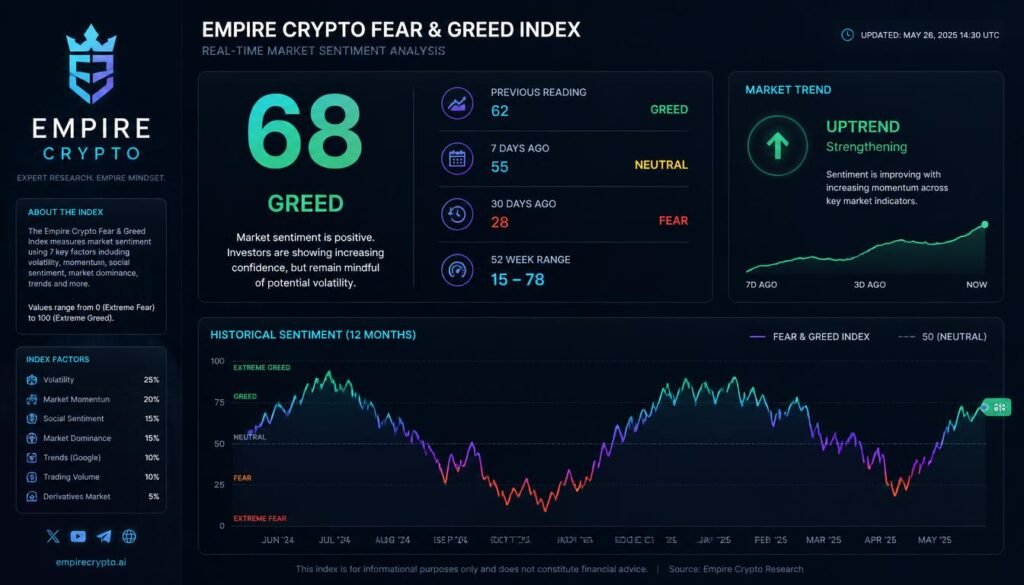
- Derivatives Funding Rates: Tracking sentiment in the futures market to identify potential leverage squeezes.
- Long-Term Holder Supply Dynamics: Monitoring the percentage of circulating coins held by non-speculative, illiquid entities.
- Macro Environment Feeds: Integrating real-time inflation data, interest rate trends, and global liquidity indexes into digital asset models.
By leveraging empire crypto strategies backed by dedicated trading data analysis cryptocurrency, investors can systematically optimize their allocations. Accessing a unified crypto data solution ensures all incoming metrics are normalized, reducing market noise and improving strategy execution.
Beginner Guide: Executing Your First Purchase
If you are new to digital assets, follow this clear workflow to buy and store your initial holdings securely.
1. Account Setup and Verification
Select a reputable, regulated exchange. Complete identity verification (KYC) using a valid government ID and enable two-factor authentication (2FA) via an authenticator app (avoid SMS-based 2FA due to SIM-swapping risks).
2. Initial Order Placement
For your first allocation, use a basic market or limit order:
- Limit Order: Sets the exact price you are willing to pay. The order fills only when the market reaches your specified target.
- Market Order: Fills immediately at the current best available price.
3. Securing Your Digital Assets
Never store significant investment amounts long-term on a centralized exchange platform. Transfer your holdings to a private non-custodial wallet:
- Software Wallets: Applications running on mobile or desktop devices suitable for smaller active amounts.
- Hardware Wallets: Physical offline devices (cold storage) designed to isolate key management from internet-connected threats.
Security Tip: Store your 12- or 24-word recovery seed phrase on physical paper or stainless steel stored in a secure location. Never type your recovery phrase into any digital device or cloud storage platform.
Advanced Strategies: Portfolio Rebalancing and Profit Taking
Intermediate and experienced investors require structured protocols for managing gains during market cycles. Leaving positions entirely unmanaged through bull and bear markets often leads to giving back accumulated paper profits.
Portfolio Rebalancing Framework
Maintain your target asset weights through systematic rebalancing:
- Threshold-Based Rebalancing: If price appreciation causes Bitcoin to exceed your target allocation (e.g., growing from 10% to 25% of your total net worth), sell a predetermined portion back to stablecoins or fiat currency to re-establish your target allocation.
- Time-Based Rebalancing: Adjust holdings quarterly or semi-annually based on macro market conditions.
Structured Profit-Taking Targets
Rather than attempting to top-tick the market, set incremental exit points using market indicators:
- Tier 1 Target: Liquidate 10-15% of the position when technical indicators show extended overbought conditions to recover initial capital.
- Tier 2 Target: Scale out an additional 20-25% as historic valuation bands reach high-risk levels.
- Core Reserve: Retain a permanent core holding (e.g., 50% of overall holdings) to participate in long-term adoption growth.
Frequently Asked Questions
What makes the Empire Crypto Bitcoin plan suitable for beginners?
The strategy prioritizes simple, systematic execution methods like dollar-cost averaging and risk management. This removes the need for high-frequency trading skills or market timing.
Why is relying on quality crypto data necessary?
Verified cryptocurrency market data provides objective metrics on network health, liquidity, and investor behavior. This eliminates emotional bias during market volatility.
How often should I rebalance my Bitcoin portfolio?
Most investors benefit from reviewing allocations quarterly or using predefined percentage band triggers (e.g., when Bitcoin’s share of your total portfolio drifts by more than 10%).
Should I store my assets on an exchange?
For long-term security, holding assets in a private non-custodial wallet (preferably a hardware wallet) is recommended to mitigate counterparty risk.
Build Your Digital Wealth Framework
Developing long-term financial security through Bitcoin requires discipline, sound risk management, and reliable analytical insights. By following a structured approach rather than chasing short-term market noise, you position your portfolio to navigate market volatility effectively.
Utilize trusted resources, implement clear accumulation strategies like DCA, and secure your digital assets in private cold storage to stay in full control of your financial future.
About The Author
