
Critical Iran News: USA-Iran Tensions Escalate Now
The Middle East is witnessing a critical moment as tensions between the United States and Iran continue to escalate. Therefore, following Iran News is crucial for understanding the fast-moving developments and potential global impacts. The relationship between these two powerful nations has been strained for decades, and current events suggest a significant risk of confrontation.
Moreover, the situation is multi-dimensional, involving political, military, economic, and diplomatic factors. Because of this, analyzing the issue step by step helps clarify the causes, consequences, and possible solutions.
Historical Background of USA-Iran Relations
From Friendship to Hostility
Initially, the United States and Iran had cooperative relations before the 1979 Islamic Revolution. However, the revolution changed the political landscape completely. Therefore, the U.S. and Iran shifted from allies to adversaries, marking the beginning of decades-long tensions.
Sanctions and Political Isolation
After the revolution, the U.S. imposed sanctions on Iran, which targeted its economy, trade, and international relations. Consequently, these measures created long-term resentment and increased Iran’s determination to strengthen its independence. Iran News highlights that sanctions continue to be a central point of conflict today.
Past Military Clashes
There have been several military incidents, including attacks on vessels in the Persian Gulf and drone strikes. Therefore, historical confrontations contribute to the current high-alert situation.
Current Escalation: Why Tensions Are Rising Now
Military Movements and Threats
Recent weeks have shown an increase in military activity from both the USA and Iran. Therefore, troops are being deployed, and strategic positions are reinforced. Iran News emphasizes that missile tests, naval movements, and air patrols have heightened the risk of direct confrontation.
Economic and Political Pressure
The United States continues to impose sanctions while monitoring Iran’s regional influence. Consequently, Iran has responded by expanding its military readiness and strengthening alliances with regional partners. This tit-for-tat approach increases tension across the Middle East.
Diplomatic Strains
Recent diplomatic talks have failed to produce agreements on Iran’s nuclear program. Therefore, mistrust has deepened, and both sides are preparing for worst-case scenarios. These diplomatic challenges are key drivers behind the rising conflict.
Iran’s Strategic Role in Escalating Tensions
Regional Influence
Iran exerts political, economic, and military influence in Iraq, Syria, Lebanon, and Yemen. Therefore, any U.S. military or diplomatic action directly affects regional stability. Iran News frequently reports how Iran uses its alliances to maintain leverage and deter foreign intervention.
Military Capabilities
Iran’s military includes missile systems, drones, and sophisticated defense technology. Consequently, the country has the ability to respond swiftly to threats, which adds a layer of complexity to U.S. strategic planning. At the same time, Iran asserts that its military developments are defensive rather than offensive.
USA’s Strategic Response
Defense and Deterrence
The United States has positioned naval and air forces in the region as a deterrent. Therefore, rapid response capability is prioritized to protect U.S. interests and allies. Moreover, military exercises signal readiness to both allies and adversaries.
Diplomatic Maneuvers
The U.S. continues to engage in diplomatic initiatives to contain Iran’s influence. Consequently, sanctions, negotiations, and international coordination are central to American strategy. Iran News shows that these efforts aim to pressure Iran without triggering immediate conflict.
Economic Implications of Escalating Tensions
Oil and Energy Markets
Iran is a key player in the global oil market. Therefore, any escalation affects oil prices worldwide. Even minor conflicts or threats to shipping routes can cause fluctuations in supply and pricing. Consequently, the economic impact reaches far beyond the Middle East.
Trade and Investment Concerns
Global investors often react to increased geopolitical risk. Therefore, escalating tensions may reduce foreign investment in the region. Additionally, trade disruptions can affect countries that rely on Middle Eastern energy resources. Iran News emphasizes that these economic consequences are immediate and significant.
Humanitarian Considerations
Impact on Civilians
Tensions often create fear and uncertainty for civilians in affected areas. Therefore, residents face stress, disruption of daily life, and potential displacement.
Access to Essentials
Escalating conflict can disrupt access to food, medicine, and other necessities. Consequently, humanitarian organizations may struggle to provide aid. Iran News highlights that human safety and well-being are critical considerations amid rising tensions.
Media and Public Perception
Rapid Spread of Information
News about USA-Iran tensions spreads quickly through social media, news agencies, and international outlets. Therefore, public awareness grows rapidly, sometimes ahead of verified facts. Daily Iran News aims to provide accurate updates to reduce misinformation.
Influence on Policy and Opinion
Media coverage influences both public opinion and political decisions. Therefore, governments carefully monitor reporting to shape narratives and justify actions. At the same time, citizens must critically assess news sources to avoid confusion.
Possible Scenarios Moving Forward
Scenario One: Limited Skirmishes
One likely outcome is continued localized conflict without full-scale war. Therefore, minor incidents may occur at sea, in border regions, or through proxy groups, while larger confrontations are avoided.
Scenario Two: Regional Escalation
If tensions continue to grow, neighboring countries could become involved. Consequently, clashes could spread across the Middle East, affecting regional security and stability. Iran News indicates that this scenario is a serious concern for international observers.
Scenario Three: Direct Confrontation
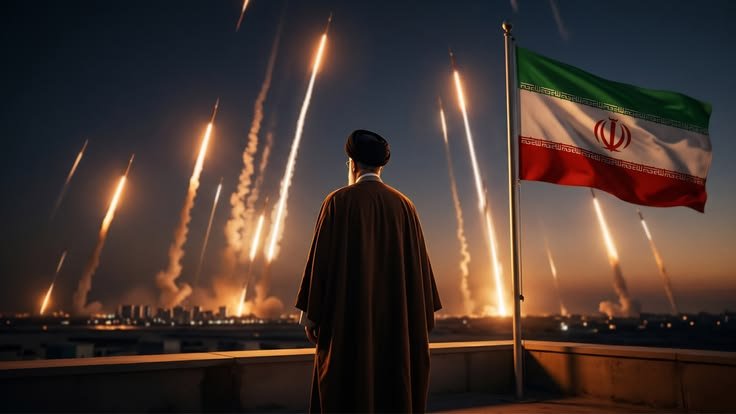
The worst-case scenario is direct military conflict between the USA and Iran. Therefore, missile strikes, air operations, and cyberattacks could lead to significant casualties and infrastructure damage. Moreover, global powers may be drawn in, complicating resolution efforts.
The Role of Diplomacy
Ongoing Negotiations
Despite rising tensions, diplomatic channels remain open. Therefore, negotiations over the nuclear program and regional stability are still possible. These talks aim to reduce escalation while addressing security concerns.
International Mediation
Global organizations, including the United Nations, play a role in monitoring the situation and facilitating dialogue. Consequently, mediation efforts can help prevent direct conflict and promote humanitarian aid.
Lessons from Past Crises
Historical Patterns of Escalation
Past USA-Iran conflicts demonstrate that escalation often follows miscommunication and mistrust. Therefore, analyzing historical patterns helps predict potential outcomes. Iran News often provides context by referencing these historical events.
Importance of Measured Response
History shows that diplomacy, patience, and strategic planning are essential to prevent war. Consequently, measured responses reduce the likelihood of sudden escalation, providing space for dialogue and negotiation.
Why Staying Informed Matters
Understanding the Complexity
Following Iran News helps people understand the multiple factors at play, including politics, economics, and military developments. Therefore, it provides a comprehensive perspective on the escalating tensions.
Reducing Panic and Misinformation
Accurate and clear reporting prevents fear and confusion. Consequently, informed citizens can make better decisions and avoid spreading misinformation. Furthermore, understanding verified facts fosters stability in both local and global communities.
Conclusion
The current USA-Iran tensions are critical, with risks that could affect the entire Middle East and beyond. Therefore, careful monitoring and informed analysis are necessary. Iran News highlights that while escalation is possible, diplomacy and strategic management remain viable solutions.
Moreover, the situation underscores the importance of accurate information, measured responses, and international cooperation. Consequently, following reliable sources, supporting dialogue, and understanding regional dynamics are essential steps toward stability. In conclusion, the world must pay close attention as these tensions evolve, because the coming months will likely determine the trajectory of regional peace and security.
About The Author
