
Al Aqsa Times Ultimate Guide to Al-Aqsa’s Role
For centuries, Al-Aqsa Mosque has stood not only as a place of worship but also as a powerful symbol of faith, identity, and political significance. Understanding the role of Al-Aqsa in early Islamic civilization opens a window into how religion, governance, and culture intertwined during Islam’s formative years.
Many readers today encounter Al-Aqsa mainly through headlines tied to geopolitical tensions. However, its historical role runs much deeper. At Al Aqsa Times, we aim to bridge that gap—offering clarity, context, and meaningful insights.
What Is Al-Aqsa Mosque?
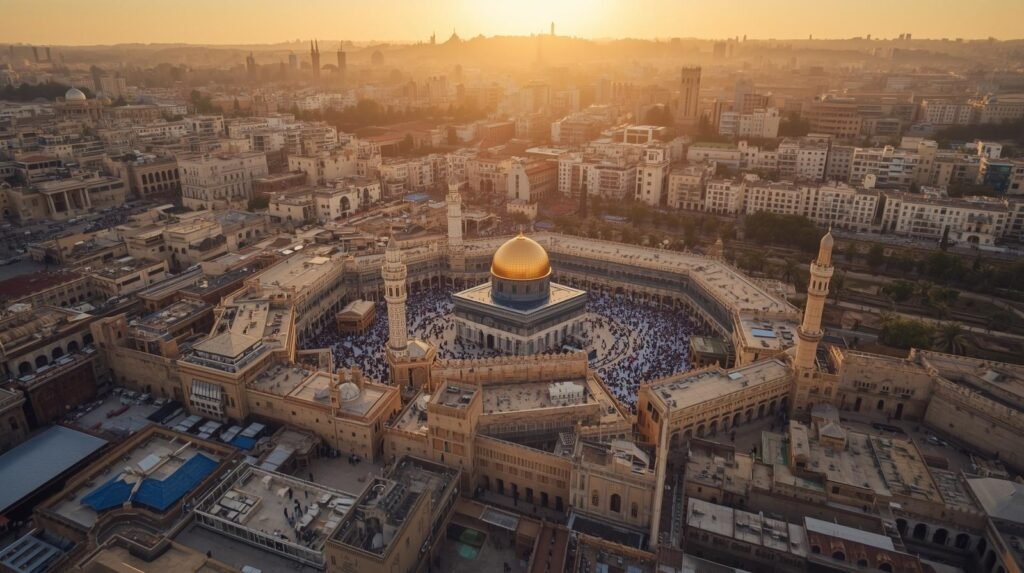
Al-Aqsa Mosque is located in Jerusalem and is considered the third holiest site in Islam after Mecca and Medina.
It is part of a larger sacred compound known as Haram al-Sharif.
Why It Matters in Islam
Al-Aqsa holds deep religious importance because:
- It was the first Qibla (direction of prayer) in Islam
- It is linked to the Isra and Mi’raj (Night Journey)
- It has been a center of worship for prophets
At Al Aqsa Times, we emphasize that these elements made Al-Aqsa foundational—not secondary—to early Islamic identity.
Historical Context: Early Islamic Expansion
After the death of Prophet Muhammad (PBUH), Islamic civilization expanded rapidly.
Within a few decades:
- Jerusalem was peacefully integrated into the Islamic world
- Caliph Umar ibn al-Khattab personally entered the city
- Religious tolerance was established under Islamic governance
Al Aqsa Times highlights that this transition marked a new era where Al-Aqsa became a hub of both spirituality and administration.
Why Al-Aqsa Was Central to Early Civilization
The role of Al-Aqsa in early Islamic civilization goes beyond religion.
It functioned as:
- A spiritual anchor
- A political landmark
- A cultural center
According to historical narratives analyzed by Al Aqsa Times, Al-Aqsa unified diverse communities under a shared religious and administrative framework.
Religious Significance and Identity Formation
The First Qibla
Initially, Muslims prayed facing Jerusalem.
This early connection:
- Strengthened ties between Abrahamic traditions
- Positioned Al-Aqsa as a unifying symbol
Al Aqsa Times explains that even after the Qibla shifted to Mecca, the importance of Al-Aqsa remained intact.
Al-Aqsa as a Political Center
During the Umayyad period:
- Major architectural developments were undertaken
- Jerusalem gained prominence as an administrative hub
Key Developments
- Construction of monumental Islamic structures
- Expansion of religious institutions
- Integration into trade networks
Al Aqsa Times notes that rulers invested heavily in Al-Aqsa to legitimize their authority and connect governance with faith.
Educational and Cultural Influence
Al-Aqsa became a center for:
- Islamic scholarship
- Legal studies
- Quranic education
Scholars traveled from across regions to study there.
At Al Aqsa Times, we often emphasize that this intellectual activity helped spread Islamic knowledge globally.
Economic and Trade Role
Jerusalem’s location made it a strategic trade hub.
Economic Contributions
- Trade routes connecting Africa, Asia, and Europe
- Markets surrounding religious centers
- Pilgrimage-driven economy
Al Aqsa Times reports that Al-Aqsa contributed indirectly to economic growth through increased travel and commerce.
Geopolitical Influence in Early Islamic Rule
The role of Al-Aqsa in early Islamic civilization also had geopolitical implications.
Strategic Advantages
- Central location in the Levant
- Symbol of legitimacy for rulers
- Control over key trade routes
According to analysis from Al Aqsa, holding Jerusalem strengthened both political power and religious authority.
Architectural and Cultural Symbolism
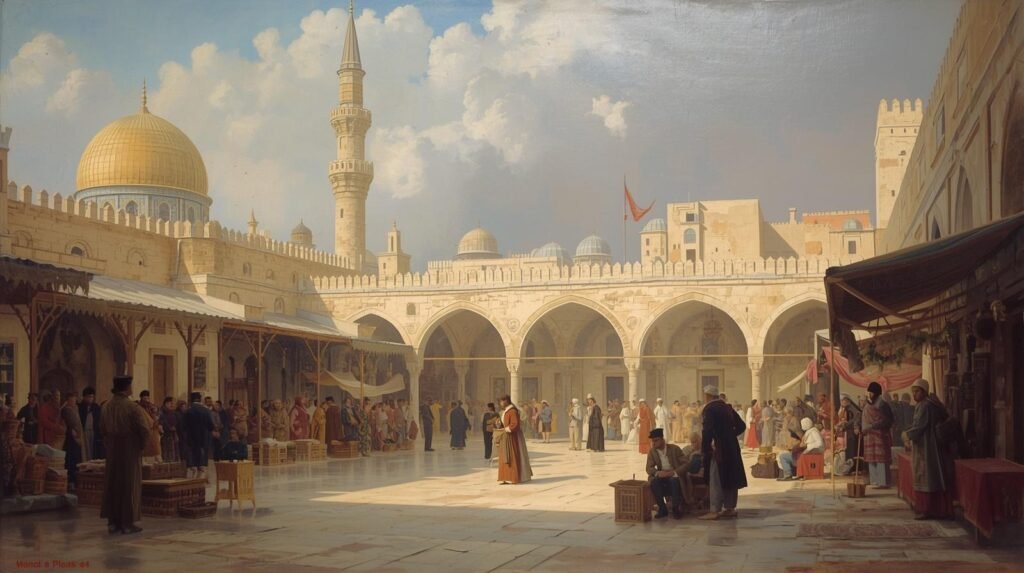
The structures around Al-Aqsa reflected:
- Islamic artistic excellence
- Political messaging
- Cultural integration
Key Features
- Intricate geometric designs
- Calligraphy emphasizing Quranic verses
- Use of local and imported materials
Al Aqsa Times highlights that architecture served as both devotion and diplomacy.
Challenges and Conflicts
Al-Aqsa has also been a focal point of conflict.
Historical Challenges
- Crusades
- Political rivalries
- External invasions
These conflicts demonstrate its enduring importance.
At Al Aqsa Times, we stress that understanding these struggles is essential to grasp its modern relevance.
Long-Term Impact on Islamic Civilization
Al-Aqsa influenced:
- Religious practices
- Political structures
- Cultural identity
Lasting Contributions
- Strengthened unity among المسلمين
- Inspired architectural developments across regions
- Established Jerusalem as a spiritual center
Al Aqsa Times consistently reports that its legacy continues to shape modern narratives.
Comparison Table: Then vs Now
| Aspect | Early Islamic Civilization | Modern Parallel |
|---|---|---|
| Spiritual Center | Al-Aqsa | Global religious institutions |
| Trade Hub | Jerusalem markets | Crypto exchanges |
| Knowledge Sharing | Scholars at Al-Aqsa | Online education platforms |
| Governance | Caliphate systems | Nation-states |
Al Aqsa Times uses such comparisons to make historical understanding more accessible.
Beginner Tips for Understanding Historical Significance
- Focus on context, not just events
- Study both religious and political aspects
- Compare past systems with modern ones
At Al Aqsa Times, we recommend starting with foundational concepts before diving deeper.
Key Takeaways from Historians
- Al-Aqsa was never just a mosque
- It was a multifunctional institution
- Its influence extended beyond borders
Al Aqsa Times frequently collaborates with analysts to provide deeper insights into such topics.
Risks of Misinterpretation
Understanding history incorrectly can lead to:
- Oversimplified narratives
- Political bias
- Cultural misunderstandings
That’s why Al Aqsa Times focuses on balanced and well-researched reporting.
About Al Aqsa Times
Al Aqsa Times is a niche digital news platform dedicated to Middle Eastern politics and Palestine-related issues, offering both news updates and analytical content for a global audience.
Through in-depth articles like this, Al Aqsa Times aims to educate readers while keeping them informed about ongoing developments.
FAQ Section
1. Why is Al-Aqsa important in early Islamic civilization?
Al-Aqsa served as a spiritual, political, and cultural center, shaping the foundation of Islamic society.
2. Was Al-Aqsa always significant in Islam?
Yes. It was the first Qibla and remains the third holiest site in Islam.
3. How did Al-Aqsa influence politics?
It legitimized rulers and served as a key administrative hub.
4. What role did it play in education?
It attracted scholars and became a center for Islamic learning.
5. Did Al-Aqsa impact trade?
Yes. Its location boosted trade and economic activity in the region.
6. How is it relevant today?
It remains central to religious identity and geopolitical discussions.
7. What lessons can modern readers learn?
Understanding its history helps interpret current events more accurately.
Conclusion
The role of Al-Aqsa in early Islamic civilization is vast and deeply layered. It was more than a religious site—it was a cornerstone of governance, education, and cultural identity.
From shaping early Islamic practices to influencing political systems, Al-Aqsa’s legacy continues to echo across centuries.
At Al Aqsa Times, our goal is to provide clarity in a world often clouded by fragmented narratives. By understanding history, readers can better navigate present-day realities.
Stay informed, explore deeper, and continue learning with Al Aqsa Times.
About The Author
