
Iran News: Middle East Crisis and Global Reactions
The Middle East continues to face political instability, military tensions, humanitarian crises, and economic uncertainty. Therefore, millions of people worldwide closely follow Iran News to understand how regional events are shaping global politics and international security. Iran remains one of the most influential countries in the Middle East because of its strategic location, military strength, energy resources, and regional alliances.
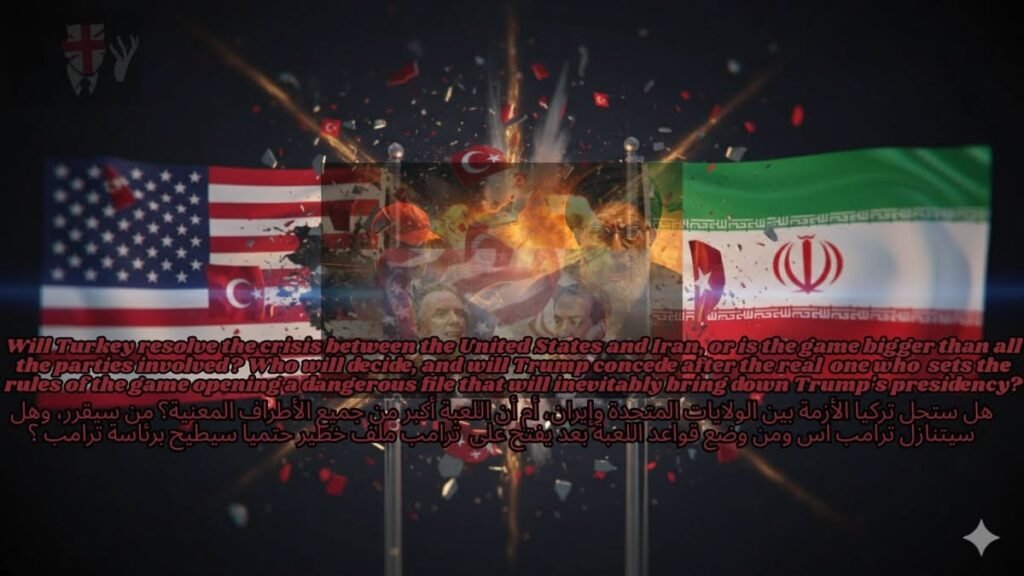
Iran News: Understanding the Middle East Crisis
The Middle East crisis involves several interconnected political, Iran News, military, and economic conflicts across the region. Therefore, understanding regional tensions requires examining historical, religious, strategic, and economic factors together.
Why the Middle East Matters Globally
The Middle East remains highly important because it contains:
- Major oil and gas reserves
- Strategic trade routes
- Religious holy sites
- Powerful military alliances
- Important global shipping lanes
Consequently, instability in the region often affects international politics and economic conditions.
Role of Regional Rivalries
Several Middle Eastern countries compete for political influence and regional leadership. Therefore, alliances and tensions continue shaping diplomatic relations and security strategies.
Iran News: Iran’s Position in Middle East Politics
Strategic Geographic Importance
Iran occupies a critical geographic position connecting the Middle East, Central Asia, and the Persian Gulf. Therefore, the country holds major strategic importance in global politics.
Influence Across the Region
Iran maintains political, economic, and military influence in several countries, including:
- Iraq
- Syria
- Lebanon
- Yemen
Consequently, regional developments involving Iran often affect broader Middle Eastern security discussions.
Energy and Economic Power
Iran also possesses major oil and natural gas reserves. Therefore, the country plays an important role in global energy markets and regional economic strategies.
Iran News: Historical Background of Regional Tensions
The Islamic Revolution of 1979
Modern political tensions connected to Iran News largely developed after the Islamic Revolution in 1979. Before the revolution, Iran maintained close relations with Western countries, especially the United States.
However, political changes transformed Iran’s domestic and foreign policies. Consequently, relations with several Western governments became increasingly tense.
Regional Political Changes
After the revolution, Iran promoted stronger regional influence and independent foreign policy strategies. Therefore, competition with regional rivals increased over time.
Long-Term Geopolitical Competition
The Middle East has experienced decades of political rivalry involving ideology, military influence, economic interests, and strategic alliances.
As a result, regional instability continues affecting global security discussions.
Iran News: Iran and Israel Tensions
Political and Security Rivalry
Iran and Israel remain major regional rivals because of deep political and security disagreements.
Iran’s Position on Palestine
Iran strongly supports Palestinian political causes and criticizes Israeli military policies in Gaza and the occupied territories.
Israeli Security Concerns
Meanwhile, Israel considers Iran’s missile programs and regional military influence major security threats.
Consequently, tensions frequently increase through political statements, intelligence operations, and military incidents.
Proxy Conflicts
Rather than direct large-scale war, regional competition often occurs through allied groups and indirect conflicts.
Therefore, neighboring countries also experience instability connected to broader regional rivalries.
Iran News: USA-Iran Relations and Regional Crisis
Historical Tensions
Relations between Iran and the United States became highly tense after the 1979 hostage crisis and subsequent political disagreements.
Nuclear Program Disputes
One of the biggest issues in diplomatic relations involves Iran’s nuclear program. Western governments and Israel expressed concerns regarding potential military applications.
However, Iran states that its nuclear activities support peaceful scientific and energy goals.
Economic Sanctions
The United States imposed sanctions targeting Iran’s economy, oil exports, and banking systems.
Consequently, economic pressure became a major part of international diplomacy.
Iran News: The Nuclear Issue and Global Reactions
International Negotiations
Several international agreements attempted to reduce tensions through inspections and diplomatic cooperation.
The 2015 Nuclear Agreement
The Joint Comprehensive Plan of Action represented one of the biggest diplomatic efforts regarding Iran’s nuclear activities.
Under the agreement:
- Iran limited certain nuclear activities
- International inspections increased
- Some sanctions were reduced
Consequently, diplomatic optimism temporarily improved.
Collapse of Diplomatic Progress
Later political disagreements weakened the agreement. Therefore, tensions increased again.
Global Diplomatic Concerns
Several world powers continue encouraging diplomatic solutions to prevent military escalation and nuclear instability.
Iran News: Middle East Proxy Conflicts
Regional Alliances
Iran supports several political and military groups across the Middle East. Iran argues these partnerships support resistance movements and regional security.
Criticism from Rivals
However, regional rivals and Western governments often criticize Iran’s regional involvement.
Consequently, proxy conflicts remain a major source of instability.
Countries Affected by Proxy Conflicts
Regional tensions affect several countries, including:
- Syria
- Iraq
- Lebanon
- Yemen
Therefore, humanitarian crises and political instability continue across multiple areas.
Iran News: Gulf Region Security Concerns
Importance of the Persian Gulf
The Persian Gulf remains one of the world’s most important energy regions.
Large amounts of global oil exports pass through Gulf shipping routes every day.
Strait of Hormuz
The Strait of Hormuz is especially important because global energy transportation depends heavily on this narrow waterway.
Consequently, military tensions near the Strait often increase global market fears.
Naval Military Presence
Several countries maintain strong naval forces in the Gulf region to protect shipping routes and strategic interests.
Therefore, regional security remains highly sensitive.
Iran News: Oil Markets and Economic Reactions
Impact on Global Oil Prices
Whenever tensions rise in the Middle East, oil prices often increase rapidly.
Because many economies depend on stable energy supplies, regional crises can affect inflation and transportation costs worldwide.
Energy Market Uncertainty
Political instability creates uncertainty for investors, businesses, and governments.
Consequently, financial markets closely monitor developments connected to regional conflicts.
Iran’s Oil Exports
Iran remains an important energy producer despite sanctions and trade restrictions.
Therefore, diplomatic developments involving Iran can strongly influence global energy markets.
Russia, China, and Global Diplomacy
Iran’s Strategic Partnerships
Iran strengthened political and economic relations with countries such as Russia and China.
Consequently, global geopolitical competition increasingly involves Middle Eastern alliances.
Multipolar International Politics
Several countries support a more multipolar global system instead of Western-dominated international politics.
Therefore, international diplomacy surrounding Iran became more complex.
Economic Cooperation
Trade agreements and infrastructure partnerships continue shaping diplomatic relations across Asia and the Middle East.
Humanitarian Crisis and Civilian Impact
Effects on Ordinary People
Regional conflicts mainly affect ordinary civilians through:
- Displacement
- Inflation
- Infrastructure damage
- Food shortages
- Unemployment
Consequently, humanitarian organizations continue calling for peaceful solutions.
Refugee Challenges
Wars and political instability forced millions of people to leave their homes across the Middle East.
International Aid Efforts
Several international organizations provide humanitarian assistance, medical support, and refugee aid programs.
Role of International Organizations
United Nations Involvement
The United Nations frequently encourages ceasefires, negotiations, and diplomatic cooperation.
Human Rights Discussions
International organizations also monitor humanitarian conditions and civilian protection during regional conflicts.
Nuclear Monitoring
The International Atomic Energy Agency continues monitoring nuclear agreements and inspection programs.
Cyber Warfare and Intelligence Operations
Growing Digital Conflict
Modern regional tensions increasingly involve cyber warfare and intelligence operations.
Infrastructure Risks
Cyberattacks may target:
- Energy systems
- Communication networks
- Government institutions
- Financial systems
Consequently, cyber security became an important national defense priority.
Information Warfare
Digital misinformation and propaganda campaigns also influence public opinion and political narratives.
Media Coverage and Public Opinion
Global Media Attention
International media organizations closely follow political developments connected to Iran and the Middle East crisis.
Different Political Narratives
Different countries often present regional conflicts through different political perspectives.
Therefore, audiences should compare multiple trusted sources for balanced understanding.
Social Media Influence
Social media platforms spread information rapidly during political crises.
However, misinformation can also spread quickly online.
Regional Diplomacy and Peace Efforts
Importance of Negotiation
Several countries continue supporting diplomatic negotiations to reduce military tensions and avoid broader conflict.
Gulf State Mediation
Countries such as Qatar and Oman frequently support regional dialogue and mediation efforts.
European Diplomatic Role
European governments often encourage peaceful negotiations regarding nuclear agreements and regional security.
Importance of Communication
Diplomatic communication helps reduce misunderstandings and prevent accidental military escalation.
Military Tensions and Security Risks
Missile and Drone Operations
Regional conflicts increasingly involve missiles, drones, and advanced military technology.
Risk of Escalation
Small military incidents can quickly increase regional tensions.
Therefore, military readiness remains high across several countries.
Strategic Military Alliances
Defense partnerships and military cooperation continue influencing regional power balances.
Economic Sanctions and Global Impact

Financial Restrictions
Sanctions targeting Iran affected banking systems, trade routes, and investment opportunities.
Impact on Global Trade
International companies often face challenges when dealing with sanctioned markets.
Economic Pressure on Citizens
Iran’s economic restrictions can increase inflation and reduce employment opportunities for ordinary people.
Consequently, humanitarian concerns remain important in diplomatic discussions.
Religious and Cultural Influence
Importance of Islamic Identity
Religion continues influencing political discussions across the Middle East.
Sectarian Divisions
Historical sectarian tensions occasionally contribute to political disagreements.
Calls for Muslim Unity
Many religious scholars encourage cooperation, peace, and dialogue among Muslim countries.
Future of Middle East Stability
Diplomatic Possibilities
Future diplomatic agreements could reduce regional tensions and improve economic cooperation.
Challenges Ahead
However, several challenges remain:
- Political mistrust
- Military rivalry
- Economic pressure
- Nuclear concerns
- Proxy conflicts
Therefore, long-term stability may require continued international cooperation.
Economic Development Opportunities
Improved regional stability could support:
- Trade growth
- Infrastructure development
- Energy cooperation
- Tourism
- Investment opportunities
Importance of Energy Security
Global Dependence on Oil
Many countries still depend heavily on Middle Eastern energy exports.
Consequently, regional instability can quickly affect international fuel prices and transportation systems.
Renewable Energy Transition
Although renewable energy development continues growing, oil and gas remain highly important in global markets.
Strategic Infrastructure Protection
Governments continue investing in naval security and infrastructure protection to secure energy transportation routes.
Public Interest in Regional Developments
Why People Follow Regional News
Millions of people monitor Middle East politics because regional developments affect:
- Fuel prices
- Economic conditions
- International trade
- Security concerns
- Investment markets
Need for Reliable Reporting
Accurate journalism remains essential during political crises and military conflicts.
Therefore, trusted information sources are highly important.
Technology and Modern Geopolitics
Role of Artificial Intelligence
Artificial intelligence increasingly supports intelligence analysis, military systems, and cyber security operations.
Digital Diplomacy
Modern diplomacy also relies heavily on secure digital communication technologies.
Information Management
Governments carefully manage information during political crises to avoid public panic and misinformation.
Global Reactions to Middle East Crisis
Western Countries
Western governments often emphasize regional security, nuclear restrictions, and protection of shipping routes.
Asian Countries
Asian economies closely monitor Middle Eastern developments because they depend heavily on imported energy supplies.
International Markets
Financial and energy markets react quickly whenever regional tensions increase.
Consequently, investors pay close attention to diplomatic and military developments.
Conclusion
Iran News continues attracting worldwide attention because Iran remains deeply connected to the Middle East crisis and broader global political developments. Its regional influence, strategic alliances, military capabilities, and energy resources make the country highly important in international diplomacy and security discussions.
At the same time, tensions involving Iran, Israel, the United States, Gulf countries, and regional armed groups continue shaping Middle Eastern politics. Consequently, global reactions often involve diplomatic negotiations, economic sanctions, military preparation, and humanitarian concerns.
About The Author
