
Iran News: USA-Iran Sanctions and Economic Pressure
Iran News is essential for understanding how sanctions and economic pressure shape Iran’s economy and global relations. Because the United States has applied wide sanctions for many years, the impact has been deep and long-lasting. Therefore, businesses, households, and policymakers all feel the effects in different ways.
At the same time, sanctions are not only economic tools; they are also political signals. While they aim to change behavior, they can also harden positions. As a result, the story is complex, and outcomes are not always predictable. Moreover, global markets react to each policy shift, which links local changes to worldwide trends.
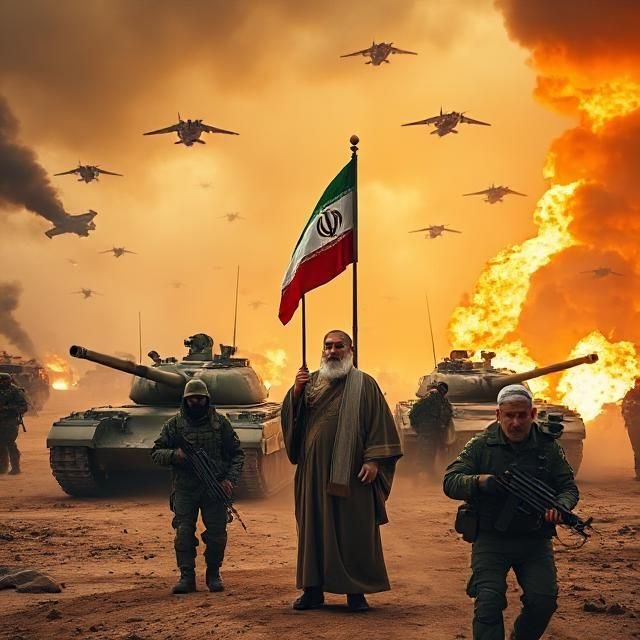
Iran News: What Are Sanctions?
Definition and Purpose
Sanctions are restrictions placed by one country or a group of countries on another. Because they limit trade, finance, and access to technology, they aim to influence policy decisions. Therefore, sanctions are often used instead of direct conflict.
Types of Sanctions
There are several types of sanctions. Financial sanctions restrict banking access, while trade sanctions limit imports and exports. In addition, targeted sanctions focus on specific sectors or individuals. As a result, pressure can be broad or very focused.
Why the USA Uses Sanctions
The United States uses sanctions to address security concerns and policy disputes. Because Iran’s nuclear program and regional actions raise concerns in Washington, sanctions have been a central tool. Therefore, many updates in Iran News focus on new measures or changes in enforcement.
Iran News: History of USA–Iran Sanctions
Early Measures
Sanctions began after the 1979 Islamic Revolution. Because diplomatic ties broke down, economic restrictions followed. Therefore, early measures set the stage for long-term tension.
Expansion Over Time
Over the years, sanctions expanded to include energy, banking, and shipping. While some periods saw easing, others brought tighter controls. As a result, policy cycles created waves of pressure and relief.
Recent Developments
In recent years, enforcement has become more detailed. Because tracking systems improved, compliance rules grew stricter. Therefore, companies across the world must follow complex guidelines when dealing with Iran.
Key Areas Affected by Sanctions
Oil and Gas Sector
Iran’s oil exports are a major target. Because oil is a main source of revenue, limits reduce national income. Therefore, export volumes and payment channels are closely watched.
Banking and Finance
Sanctions restrict access to global banking networks. As a result, payments become slower and more costly. Therefore, businesses face hurdles in routine transactions.
Trade and Shipping
Shipping lines and insurers face compliance risks. Because of this, transport costs rise and routes change. As a result, supply chains become less efficient.
Iran News: Economic Pressure on Iran
Currency and Inflation
Sanctions can weaken the national currency. Therefore, import costs rise, and inflation increases. As a result, households pay more for basic goods.
Employment and Industry
Industries that rely on imports or exports face limits. Because production slows, job opportunities can decline. Therefore, labor markets feel steady pressure.
Government Budget
Lower export income affects public spending. As a result, governments must adjust budgets, prioritize sectors, and seek new revenue sources.
Iran’s Response Strategies
Economic Diversification
Iran aims to reduce reliance on oil. Therefore, it promotes sectors like agriculture, manufacturing, and services. As a result, the economy seeks more balance.
Local Production
Import limits encourage local production. Because domestic firms fill gaps, some industries grow. Therefore, self-reliance becomes a policy goal.
Alternative Trade Channels
Iran uses regional partners and non-dollar systems. As a result, trade continues through new routes and methods. Many of these shifts are tracked in Iran News.
Impact on Global Markets
Oil Prices
When Iranian exports change, global supply shifts. Therefore, oil prices may rise during tight periods and stabilize when supply improves.
Trade Flows
Sanctions redirect trade to other suppliers. As a result, countries adjust sourcing and logistics. Therefore, global trade patterns evolve over time.
Financial Systems
Compliance rules affect banks worldwide. Because of risk, institutions increase checks and controls. As a result, transaction costs rise across borders.
Diplomatic Efforts and Negotiations
Nuclear Talks
Negotiations often link sanctions relief to nuclear limits. Therefore, talks focus on verification, timelines, and compliance. Progress can bring partial easing.
Multilateral Roles
European countries, China, and Russia play roles in dialogue. Because each has distinct interests, outcomes require careful balance. As a result, talks can be slow.
Obstacles to Agreement
Trust gaps and political cycles complicate deals. However, dialogue continues. Therefore, diplomacy remains a key path forward.
Human Impact of Economic Pressure
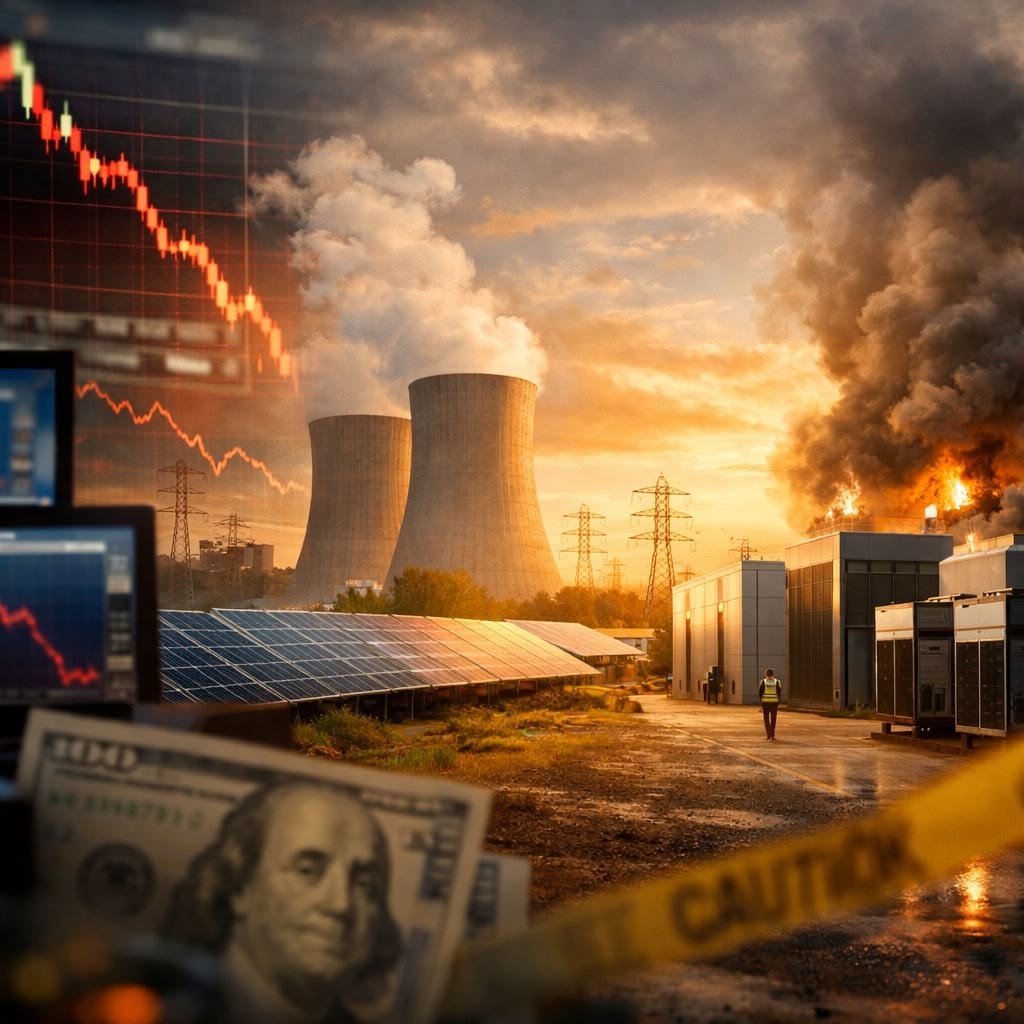
Cost of Living
Higher prices affect daily life. Therefore, families adjust spending and seek alternatives. As a result, consumption patterns change.
Small Businesses
Small firms face import costs and payment delays. Because margins are thin, shocks hit them harder. Therefore, support measures become important.
Social Services
Budget limits can affect services. As a result, governments prioritize essential programs and seek efficiency gains.
Iran News: Media Coverage and Public Perception
Framing the Issue
Media frames sanctions in different ways. While some stress pressure, others highlight resilience. Therefore, readers should compare perspectives.
Importance of Verified Updates
Fast news cycles can lead to confusion. As a result, following reliable Iran News helps maintain accuracy.
Data and Transparency
Clear data improves understanding. Therefore, reports from international bodies and credible analysts add value.
Legal and Compliance Landscape
Global Compliance Rules
Companies must follow strict rules to avoid penalties. Because regulations change, firms invest in compliance systems. Therefore, legal risk management is essential.
Secondary Sanctions
Some measures affect third parties. As a result, even non-US firms must consider exposure. Therefore, global business decisions are influenced.
Risk Management
Firms use screening, audits, and controls. Because errors can be costly, careful processes are required. As a result, operations become more complex.
Technology, Innovation, and Adaptation
Digital Payments
Alternative payment methods can reduce friction. Therefore, digital solutions gain attention. However, compliance remains key.
Local Innovation
Constraints can drive innovation. Because firms adapt to limits, new products and processes emerge. As a result, some sectors become more efficient.
Knowledge Transfer
Limits on technology access create gaps. Therefore, training and local expertise become critical for growth.
Regional Dynamics
Neighboring Trade
Iran expands trade with nearby countries. Because distance is short, logistics are simpler. Therefore, regional links strengthen.
Competing Suppliers
Other producers fill gaps in global markets. As a result, competition increases. Therefore, market share shifts over time.
Security Considerations
Economic pressure can link to security concerns. Therefore, regional stability remains a shared interest among neighbors.
Future Outlook
Possible Easing
If agreements progress, some sanctions may ease. Therefore, trade and investment could increase. As a result, growth may improve.
Continued Pressure
If disputes remain, pressure may continue. Therefore, adaptation strategies will stay important. As a result, gradual change is likely.
Long-Term Balance
Sustainable outcomes depend on policy alignment and trust. Therefore, steady dialogue is essential for progress.
Practical Tips for Readers
Follow Key Indicators
Watch oil exports, currency rates, and policy updates. Therefore, you can track trends early.
Compare Sources
Read multiple outlets for balance. As a result, you gain a clearer view of events.
Focus on Data
Use reports and statistics where possible. Therefore, your understanding remains grounded.
Conclusion
Iran News provides a clear lens on the USA–Iran sanctions and economic pressure. Because sanctions affect trade, finance, and daily life, their impact is wide and lasting. Therefore, understanding how they work helps explain both local challenges and global shifts.
Although pressure remains, adaptation and diplomacy continue. With careful policy and ongoing dialogue, there is room for gradual improvement. As a result, following Iran News is key for anyone who wants to understand economic trends and political decisions in the region.
About The Author
