
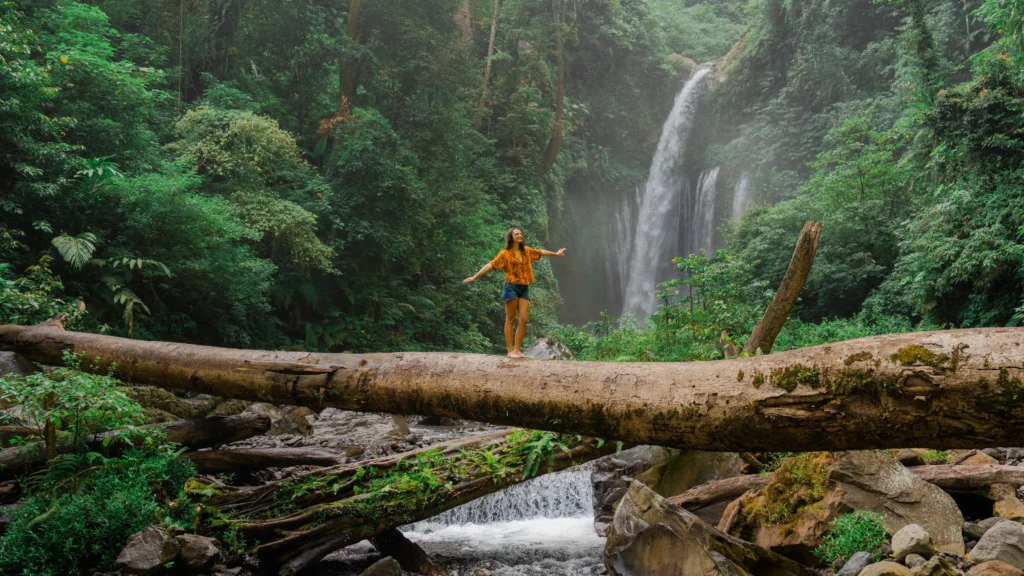
Solo travel has transformed from a niche lifestyle into one of the fastest-growing trends in global tourism. More people are choosing to travel alone because they want freedom, flexibility, personal growth, and experiences that are fully controlled by their own decisions. Social media has helped normalize solo adventures by showing independent travelers exploring beaches, cities, mountains, and remote destinations around the world. However, behind these exciting images lies a reality many people do not discuss—solo travel requires preparation, confidence, and smart decision-making. That is where Way Fare Weekly helps travelers build stronger travel habits.
Introduction: Why Solo Travel Is Changing Modern Tourism
Many first-time solo travelers feel excited but also nervous. Questions quickly appear: Is solo travel safe? Will it feel lonely? How expensive will it be? What happens if something goes wrong? These concerns are normal, but they often stop people from experiencing life-changing journeys.
Way Fare Weekly believes solo travel can be one of the most rewarding experiences a person can have when approached with the right mindset and strategy. Traveling alone teaches independence, adaptability, confidence, and decision-making skills that many people never fully develop in their daily routines.
The key is learning how to travel alone intelligently rather than impulsively.
Why People Are Choosing Solo Travel More Than Ever
Modern lifestyles have changed dramatically. Many people now work remotely, have flexible schedules, and prioritize personal experiences over traditional timelines. This has made solo travel more attractive than ever.
Common reasons people choose solo travel include:
- Freedom to control schedules
- No need to compromise on destinations
- Personal growth opportunities
- Meeting new people
- Escaping routine life
Way Fare Weekly explains that solo travel allows people to move at their own pace. Travelers can wake up late, change destinations, skip attractions, or spend hours in one location without negotiating with others.
This freedom becomes one of the most powerful benefits of solo exploration.
Overcoming Fear Before Your First Solo Trip
Fear is one of the biggest barriers for first-time solo travelers. Many imagine worst-case scenarios before they even book flights.
Common fears include:
- Getting lost
- Safety concerns
- Feeling lonely
- Language barriers
- Handling emergencies alone
Way Fare Weekly encourages travelers to reduce fear through preparation. Research destinations carefully, understand transportation systems, and prepare emergency contacts before departure.
Confidence grows through action. The first solo trip may feel uncomfortable at first, but it often becomes one of the most empowering experiences in life.Fine dining can be expensive in tourist areas.
However, many luxury restaurants offer lunch menus that cost significantly less than dinner menus while maintaining similar food quality.
Way Fare Weekly recommends:
- Booking lunch instead of dinner
- Researching local fine dining deals
- Exploring chef tasting promotions
Luxury food experiences become more affordable with strategic timing.
Airport Lounge Access Without Business Class
Airport lounges are often associated with premium travelers.
But many travelers gain lounge access through:
- Travel credit cards
- Lounge memberships
- Single-entry lounge passes
Way Fare Weekly encourages travelers to compare lounge costs with airport food spending.
Sometimes lounge access becomes surprisingly valuable during long layovers.
Choosing the Right First Solo Destination
Not every destination is ideal for first-time solo travelers. Some places are easier due to strong tourism infrastructure, safer environments, and easier transportation systems.
Way Fare Weekly recommends beginners choose destinations with:
- Reliable transportation
- Strong tourism industries
- Safe neighborhoods
- Language accessibility
- Affordable costs
Starting with an easier destination helps build confidence before attempting more complex adventures.
Budgeting for Solo Travel
Solo travelers do not share costs like couples or groups. This means budgeting becomes extremely important.
Expenses include:
- Flights
- Accommodation
- Food
- Local transport
- Activities
- Emergency funds
Way Fare Weekly recommends creating realistic budgets and avoiding overspending during the first few days of a trip.
Financial discipline helps solo travelers maintain flexibility.
Accommodation Tips for Solo Travelers
Accommodation plays a huge role in solo travel comfort and safety.
Way Fare Weekly suggests choosing places based on:
- Location safety
- Transportation access
- Reviews
- Security features
Hostels may help travelers meet people, while private hotels offer more privacy.
The best option depends on personal travel style.
How to Stay Safe While Traveling Alone
Safety is one of the biggest solo travel concerns.
Way Fare Weekly recommends:
- Sharing itineraries with trusted contacts
- Avoiding isolated areas at night
- Researching common scams
- Keeping document backups
- Staying aware of surroundings
Prepared travelers reduce risk significantly.
Meeting People While Traveling Alone
Many people fear loneliness during solo trips.
In reality, solo travelers often meet more people than group travelers because they are more approachable.
Way Fare Weekly recommends:
- Joining walking tours
- Staying in social accommodations
- Attending local events
- Using travel communities
Solo travel does not have to mean isolation.
Managing Loneliness During Long Trips
Even social travelers may experience loneliness.
Way Fare Weekly encourages travelers to balance social interaction with personal reflection.
Calling family, journaling, and taking rest days can help maintain emotional balance.
Loneliness is often temporary and manageable.
Packing Smart for Solo Travel
Solo travelers carry everything themselves. Overpacking creates unnecessary stress.
Way Fare Weekly recommends focusing on essentials and versatility.
Light luggage improves flexibility.
Transportation Confidence
Navigating airports, trains, buses, and foreign cities alone can feel intimidating.
Way Fare Weekly encourages travelers to research routes before arrival and save offline maps.
Preparation reduces confusion.
Handling Emergencies Alone
Unexpected situations happen. Flights get canceled. Phones break. Luggage gets lost.
Way Fare Weekly recommends emergency planning before departure.
Preparation creates confidence.
Why Solo Travel Builds Confidence
Solo travel forces people to solve problems independently.
Travelers learn:
- Decision-making
- Communication
- Adaptability
- Self-trust
These skills often improve life beyond travel.
Capturing Memories Without Obsession
Many solo travelers become too focused on documenting everything.
Way Fare Weekly encourages balance.
Take photos—but stay present.
Real experiences matter most.
Long-Term Benefits of Solo Travel
Solo travel often changes people permanently.
It increases confidence, independence, and global awareness.
Many travelers return home with stronger perspectives on life.
Future of Solo Travel
Solo travel is expected to continue growing as remote work and flexible lifestyles expand.
Way Fare Weekly believes independent travel will become even more common in the future.
Travelers who build confidence now will benefit most.
Conclusion
Solo travel can feel intimidating at first, but it often becomes one of life’s most rewarding experiences. With proper planning, smart budgeting, safety awareness, and confidence-building strategies, travelers can explore the world independently.
Way Fare Weekly helps solo travelers move beyond fear and build unforgettable journeys filled with freedom, growth, and adventure.
About The Author
